
Virtual sports betting is one of the most misunderstood products on any sportsbook menu: ask ten bettors how virtual sports betting actually works and you’ll likely get ten different — and mostly wrong — answers. Some assume virtual sports betting is just a video game with a bet slip attached. Others are convinced the house pre-determines who wins. Neither is true, and the confusion costs bettors real money when they misjudge how odds, randomness, and payouts actually behave on a virtual match.
This guide breaks down what virtual sports betting really is, the technology running behind the screen, and the common myths worth retiring before you place your next stake.
New to betting math? Before you dig into virtual sports odds, read our guide to the bookmaker margin and implied probability — it explains, step by step, how any bookmaker (real match or virtual round) bakes its edge into the price you see.
What Is Virtual Sports Betting, Exactly?
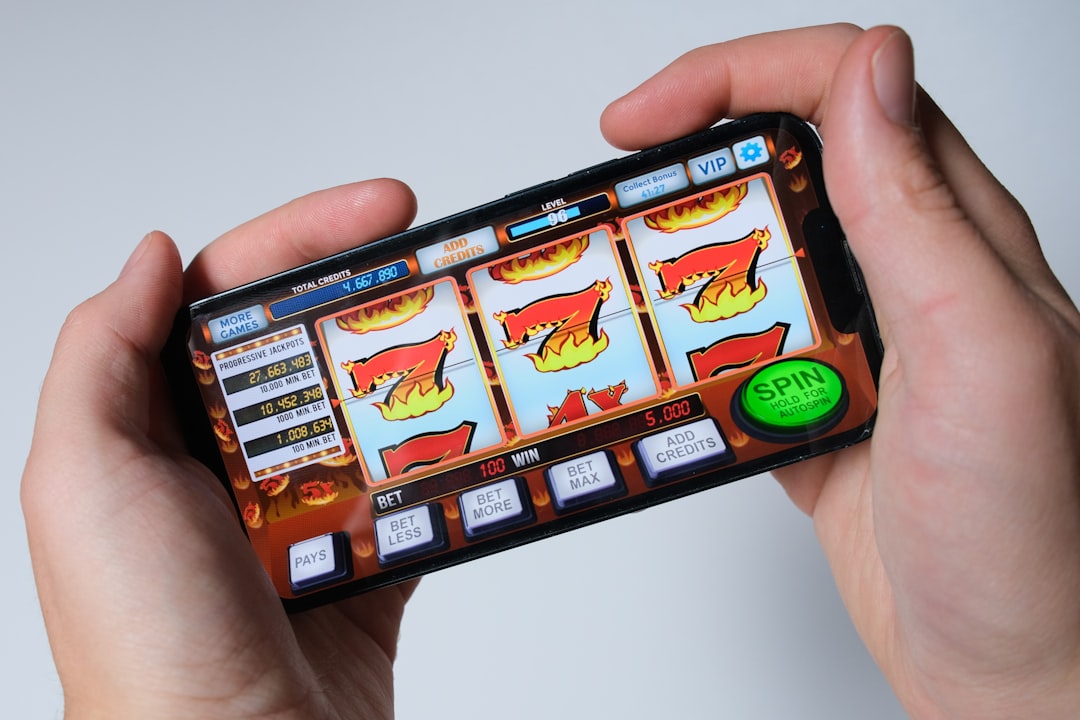
Virtual sports betting lets you wager on computer-generated matches — football, horse racing, greyhound racing, tennis, and more — that are simulated and resolved in a couple of minutes rather than 90 minutes. There’s no real athlete on the pitch. What you’re watching is a 3D-rendered simulation whose outcome is calculated the moment the round starts, then animated for the viewer.
The betting mechanics themselves — odds, stakes, cash-out where available — mirror standard sports betting almost exactly. That similarity is part of why so many bettors carry over assumptions from real football that simply don’t apply here.

Myth: Virtual Sports Are Just Video Games You Bet On
This is the most common misconception, and it misses the point entirely. A video game responds to player input — you control the outcome by how you play. A virtual sports match does not. Once a round starts, no one is steering the ball, the horse, or the dog. The result is generated by software before a single frame of animation plays, and the graphics you see are simply a visual layer on top of a number the system already produced.
That distinction matters for how you should approach your bet: past patterns on-screen (a “hot streak” team, a horse in a particular lane) carry no predictive weight the way they might with real-world form data, because the underlying generator resets independently for every round.
How Virtual Sports Actually Work Behind the Screen
Random Number Generators, Not Pre-Written Scripts
Every virtual sports round is decided by a Random Number Generator (RNG) — the same core technology behind online slots and live casino draws. The RNG produces the result first: which team scores, in which minute, with what final score. The animation engine then builds a plausible-looking match around that pre-set outcome, complete with commentary, replays, and stats overlays.
Reputable providers weight their RNGs using real statistical models — team strength ratings, historical scoring averages, home/away form — so that outcomes feel realistic and odds can be priced sensibly, rather than being purely coin-flip random.
Who Builds the Engines? Meet the Major Providers
Virtual sports content isn’t produced by individual bookmakers — it’s licensed from specialist B2B software studios that supply the same engine to dozens of operators worldwide. Golden Race is one of the better-known names in this space, alongside providers such as Inspired Entertainment, Betradar, and Kiron Interactive. According to Golden Race’s official company overview, its virtual sports platform now runs across more than 60,000 shops and 500-plus operator websites, processing upwards of 25 million tickets a day — figures that illustrate the scale at which a single provider’s engine can sit behind many different bookmaker brands you might use.
What matters for you as a bettor isn’t which specific studio powers a given site, but whether that studio’s RNG has been independently audited — a point we come back to further down.

The Main Types of Virtual Sports You’ll Find at African Bookmakers
Bookmakers active across Kenya, Nigeria, and the wider African market typically offer a rotating menu of virtual disciplines, refreshed every two to five minutes:
- Virtual football — leagues, cups, and head-to-head fixtures, often the most heavily bet virtual product
- Virtual horse racing — multiple runners per race, similar bet types to real racing (win, place, forecast)
- Virtual greyhound racing — fast-paced races run every few minutes
- Virtual tennis and basketball — shorter formats increasingly common on mobile-first platforms
- Virtual motor racing — less widespread but present on some larger platforms
How to Read Virtual Sports Odds
Virtual sports odds display and function exactly like odds on a real match — decimal format is standard across African bookmakers, and the calculation logic (implied probability, margin, potential return) doesn’t change just because the match is simulated. If decimal odds still feel unfamiliar, our guide to how betting odds work breaks down exactly how to convert a price into a probability and a payout before you stake anything.
One practical difference: because rounds resolve in minutes, odds don’t drift the way they can across a full week of build-up to a real fixture. What you see moments before kickoff is essentially the final price.
Myth: The House Always Controls the Outcome
This myth persists because virtual sports resolve so fast and so consistently that losses feel engineered. In reality, licensed virtual sports RNGs are built to a fixed theoretical Return to Player (RTP) — commonly in the 90-96% range depending on the provider and market — meaning the platform’s edge is baked into pricing over the long run, not adjusted match by match to punish a specific bettor. The confusion usually comes from mistaking variance (a normal losing streak) for manipulation.
Where the fairness claim genuinely needs scrutiny is certification: an operator running an uncertified or unlicensed virtual sports feed offers no independent guarantee that the stated RTP is what’s actually delivered.
Is Virtual Sports Betting Fair and Regulated in Africa?
Fairness in virtual sports comes down to independent testing, not marketing claims. Established virtual sports providers submit their RNG software to third-party testing labs — bodies such as Gaming Laboratories International (GLI) run statistical audits (large-sample randomness tests, RTP verification) before certifying a game as fit for licensed markets. A certificate confirms the tested version behaved fairly at the point of testing; it isn’t a live, ongoing guarantee, which is why regulators typically require re-certification whenever a provider updates its software.
Licensing rules for virtual sports themselves vary widely by country and often sit inside a bookmaker’s general sports betting licence rather than a separate category. Our breakdown of how sports betting regulation works across African countries covers how these licensing regimes differ market to market, which is worth checking before you assume every operator offering virtual sports is equally accountable.
Virtual Sports vs Real Sports Betting: What Actually Changes
The bet slip looks the same, but a few things genuinely differ:
- Speed — a virtual round resolves in 2-5 minutes versus 90+ for football, which changes your betting rhythm and how quickly losses (or wins) compound
- No team news or injuries to research — form data doesn’t exist the way it does in real sport, so “insider knowledge” simply isn’t a factor
- Consistent scheduling — virtual events run on a fixed clock all day, unlike real fixtures tied to actual kickoff times
- Fixed RTP instead of live market dynamics — odds don’t move in response to news or heavy betting the way real markets can
Practical Tips Before You Place Your First Virtual Sports Bet
Because rounds move fast, virtual sports can drain a bankroll quicker than real sports betting if you’re not deliberate about it. A few habits help:
- Set a per-session stake limit before you start, and stop once you hit it — the two-minute cycle makes “one more bet” easy to lose track of
- Stick to operators that disclose which provider (Golden Race, Betradar, Inspired, etc.) powers their virtual sports feed, and check for RNG certification where it’s listed
- Treat virtual sports odds the same way you’d treat real match odds — check the implied probability rather than betting on gut feel about which “team” looks stronger on screen
- Don’t chase patterns across rounds; each result is generated independently, so there’s no streak to “ride” or “break”
Common Questions About Virtual Sports Betting
Do virtual sports results repeat or follow a pattern?
No. Each round is generated independently by the RNG, so outcomes from previous rounds have no bearing on the next one — there’s no sequence to detect or exploit.
Can strategy actually improve your virtual sports betting?
Not in the sense of predicting outcomes — there’s no form or team news to analyse. What does help is disciplined bankroll management and understanding the odds you’re being offered, the same fundamentals that apply to any fixed-odds betting.
Is virtual sports betting legal for African bettors?
It depends on the country and the licence held by the operator offering it, since virtual sports typically fall under a bookmaker’s broader sports betting licence rather than a standalone category. Checking an operator’s licensing status before depositing remains the safest first step.
Recommended Bookmakers
George Mahulet has covered African sports betting and iGaming markets for over six years, focusing on how licensing, mobile money integration, and bonus terms actually play out for bettors in Nigeria, Kenya, Tanzania, and South Africa. Before joining Best10Betting, he worked as a data analyst for a Lagos-based fintech tracking mobile payment adoption — experience that shapes his focus on the payment and licensing details other betting content tends to skip. He verifies every bookmaker’s regulatory status directly against the relevant national gaming board before publishing a review, and updates existing reviews whenever bonus terms or licensing status change rather than leaving them static after launch.