
Live betting strategy tips for African bettors in 2026 need to reflect one simple reality: in-play wagering now drives more betting activity than pre-match markets, not less. According to recent market research, live and in-play wagering captured 62.35% of online sports betting revenue in 2025 and continues to grow at a 13.62% compound annual rate through 2031. The concentration gets even sharper around marquee fixtures: one operator’s own match-day disclosure showed live wagers made up over 70% of its total betting handle during the UEFA Champions League quarterfinals, underlining just how central in-play markets have become on the biggest match days. If most of the money is moving in-play, most of your edge should be built around it too.
This guide breaks down exactly how to bet live without getting caught out by fast-moving odds, patchy mobile data, or a cash-out button that costs you more than it saves. It is written specifically for African bettors — where mobile-first betting, variable network speeds, and a handful of dominant local and international bookmakers shape how live betting actually plays out in practice.
Live Betting Strategy Tips for African Bettors 2026: Where to Start
Before touching a single live market, get three things right: a stable connection, a bookmaker whose live odds update quickly, and a clear idea of what you are trying to achieve with the bet (a quick in-and-out trade, or a position you plan to hold to full time). Skipping this step is the single biggest reason live bets go wrong before the game even settles down.
Why Live Betting Behaves Differently From Pre-Match Betting
Pre-match odds are set once and move slowly as money comes in. Live odds recalculate every few seconds based on what is happening on the pitch — a shot on target, a red card, a substitution. That speed is exactly what makes live betting exciting, and exactly why it punishes hesitation and rewards preparation.
How to Read Live Odds in Real Time
Reading live odds is less about predicting the next goal and more about spotting when the market has mispriced what just happened.
- Watch the direction, not just the number. Odds drifting out after a team dominates possession without scoring often signal the market has priced in bad luck, not bad form.
- Compare the odds movement to what you’re actually seeing. If a striker misses two clear chances and the odds barely move, the market may be slow to react — a short window worth acting on.
- Use the stats feed alongside the video stream. Shots on target, expected goals, and possession percentages update faster than most live video streams, and they often move the odds before you see the action yourself.
Dealing With Odds Lag on African Mobile Networks
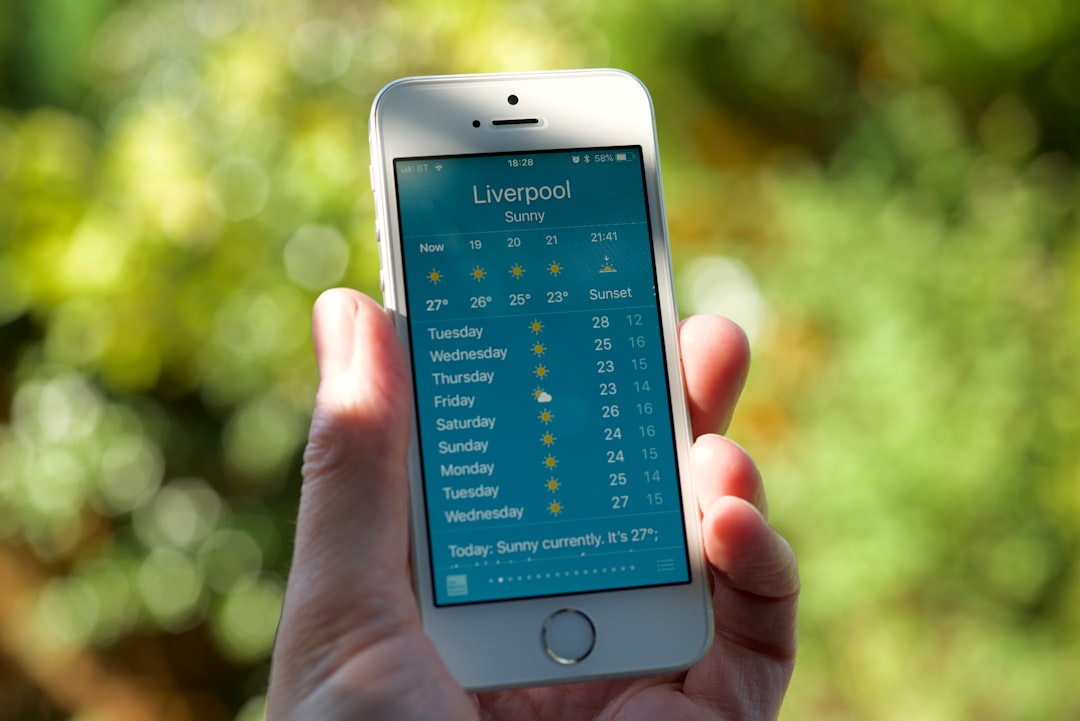
Odds lag is a real, practical problem in several African markets where 3G and congested 4G connections are still common outside major cities. A live price can refresh on the bookmaker’s server before it reaches your screen, meaning the odds you tap “accept” on may already be gone. Always double-check the odds confirmation screen before submitting a live bet — most platforms will flag a price change rather than silently accepting the old one, and a bet slip that takes more than a couple of seconds to load is a signal to wait rather than force it through on a weak signal. This mobile dependency isn’t a minor detail — GeoPoll’s 2026 Betting in Africa report describes betting across the continent as a genuinely mobile-first habit, driven by affordable smartphones, expanding mobile internet, and widely used mobile money services, which only sharpens how much connection quality matters once you are trying to bet in-play.
Timing Your In-Play Bets: When to Strike
Timing separates disciplined live bettors from bettors who are just reacting to whatever happens on screen.
The First 15 Minutes: Read, Don’t Bet
Odds are least reliable in the opening minutes of a match, before any real pattern has emerged. Many experienced live bettors deliberately sit out the first 10-15 minutes, using that window to judge tempo, pressing intensity, and which side looks sharper — then act once a genuine pattern is visible rather than guessing from kickoff.
After the First Goal: The Highest-Value Window
Markets often overreact to an early goal, pricing the scoring team as far more dominant than the run of play actually shows. This is frequently the best window to back the conceding side to respond, particularly if they were creating chances before falling behind.
Injury Time: Small Edge, Higher Risk
Late-game markets like “next goal” or “both teams to score” carry wider margins because bookmakers know desperate attacking pushes are predictable. There can be value here, but stakes should be smaller — variance is high and the bookmaker’s edge is usually at its widest in these markets.
Mastering Cash-Out: Locking In Profits and Cutting Losses
Cash-out is one of the most misunderstood tools in live betting. Used well, it protects a winning position before a late twist changes everything. Used poorly, it locks in a discounted payout on a bet that was going to win anyway. For a full breakdown of how the cash-out value is actually calculated and when it works in your favor, see our full cash-out guide.
- Set your cash-out threshold before kickoff, not in the heat of the moment — decide in advance what result would make you want to lock in a return.
- Never cash out purely on nerves when the underlying stats still support your original bet.
- Partial cash-out, where the platform supports it, lets you secure part of your stake while leaving the rest running — often a better middle ground than an all-or-nothing decision.
Common Live Betting Mistakes African Bettors Should Avoid
- Chasing losses with bigger live stakes. A losing pre-match bet does not need to be “fixed” with a rushed in-play wager on the same game.
- Betting on a delayed stream. If your video feed runs behind the official match clock, you are effectively betting on old information — rely on the live stats feed instead of the picture.
- Ignoring substitutions and tactical changes. A fresh striker coming on at 60 minutes can shift a match’s momentum faster than the odds initially adjust.
- Overloading on micro-markets. Next corner, next card, and next throw-in markets carry high bookmaker margins and are easy to overbet out of boredom during a slow match.
- Confirming a bet slip too slowly. On a weak connection, a delayed confirmation can submit a bet at odds you no longer wanted.
Live Betting on Local and International Bookmakers: What to Expect
Live betting features are not identical across platforms, and the differences matter more in-play than they do pre-match, where odds are essentially fixed for hours.
International Platforms Operating in Africa
Betway and 888 both run large in-play market catalogues with frequent odds refreshes and broad live-streaming coverage across major European leagues, which matters if you rely on the video feed to time your bets. Parimatch has built a reputation around aggressive in-play odds boosts and cash-out flexibility, which can suit bettors who like adjusting a position mid-match rather than holding it to the final whistle.
Local Platforms
Gal Sport Betting, as a platform closer to specific local markets, is often a better fit for domestic league coverage that larger international books price less aggressively — useful if your live betting focus is on regional football rather than the top five European leagues.
Whichever platform you use, the practical advice stays the same: test how quickly its live odds update and how its cash-out button behaves on your actual connection speed before committing serious stakes to in-play markets on it.

Bankroll Management for Live Betting
Live betting’s speed makes bankroll discipline harder to maintain than pre-match betting, simply because there are more decision points per match. A workable approach:
- Set a fixed live-betting stake per match, separate from your pre-match bankroll, before kickoff.
- Cap the number of live bets you place on a single match — three or four decision points is usually enough for a 90-minute game.
- Treat cash-out as a bankroll tool, not just a panic button — use it to protect a session’s profits once you have hit a target for the day.
Frequently Asked Questions About Live Betting Strategy
Is live betting more profitable than pre-match betting?
Not automatically — the bookmaker’s margin is often wider on live and micro-markets. The advantage comes from reacting faster and more accurately than the odds update, not from live betting being inherently softer.
Why do my live bets sometimes get rejected?
Most rejections happen because the odds moved between the moment you tapped “place bet” and the moment the server processed it — common on slower connections during fast-moving passages of play.
Should beginners start with live betting?
Beginners are usually better served building match-reading skills on pre-match markets first. Live betting’s speed leaves little room to learn on the fly without losing money in the process.
Live betting rewards preparation, not reflexes alone. Know your platform’s odds speed, set your cash-out rules before kickoff, and treat every in-play market on its own merits rather than as a way to chase an earlier loss — that discipline is what separates a sustainable live betting strategy from a session that spirals in the final minutes of a match.
George Mahulet has covered African sports betting and iGaming markets for over six years, focusing on how licensing, mobile money integration, and bonus terms actually play out for bettors in Nigeria, Kenya, Tanzania, and South Africa. Before joining Best10Betting, he worked as a data analyst for a Lagos-based fintech tracking mobile payment adoption — experience that shapes his focus on the payment and licensing details other betting content tends to skip. He verifies every bookmaker’s regulatory status directly against the relevant national gaming board before publishing a review, and updates existing reviews whenever bonus terms or licensing status change rather than leaving them static after launch.