
Settlement rules live in the small print of every bet slip — two clauses in particular that almost nobody reads until a payout looks smaller, or occasionally larger, than the maths they did when they placed the bet. Void bets and dead heats are the two most common reasons a settled bet doesn’t match a bettor’s own calculation, and both have clear, consistent logic behind them once you know what to look for.
What Is a Void Bet in Sports Betting?
A void bet is a wager the bookmaker cancels and settles as if it had never been placed. Your stake is returned in full — no profit, no loss. It’s the sports-betting equivalent of a “push” in American wagering, with one key difference: a push happens when a legitimate result lands exactly on the betting line (an exact point-spread tie, for example), while a void happens because something external stopped the bet from being fairly settled at all — a postponed match, a withdrawn horse, a selection that never actually took part.
What Usually Triggers a Bet to Be Voided?
The most common triggers are practical, not controversial:
- A non-runner or withdrawn selection — your pick doesn’t take part in the event at all.
- Postponement or abandonment — the match or race doesn’t go ahead as scheduled and isn’t completed within the market’s settlement window.
- A market built on incorrect information — for example a player listed in a lineup who was never actually named to start.
- Technical or pricing errors — a clearly wrong price posted by mistake, which most bookmakers reserve the right to void under their terms.
In each case the logic is the same: the bet can’t be fairly judged as a genuine win or loss, so it’s removed from the books and the stake goes back to the bettor.
How Is a Void Selection Settled Inside an Accumulator?
A voided leg inside a multi-bet doesn’t cancel the whole accumulator — it’s simply removed from the calculation, and the bet is re-settled as if that leg had never been included. A four-leg accumulator with one void leg becomes, for settlement purposes, a three-leg accumulator at the combined odds of the three remaining selections. If every single leg of a multi-bet is voided, the whole bet is voided and the full stake is returned.
What Is a Dead Heat and When Does It Happen?
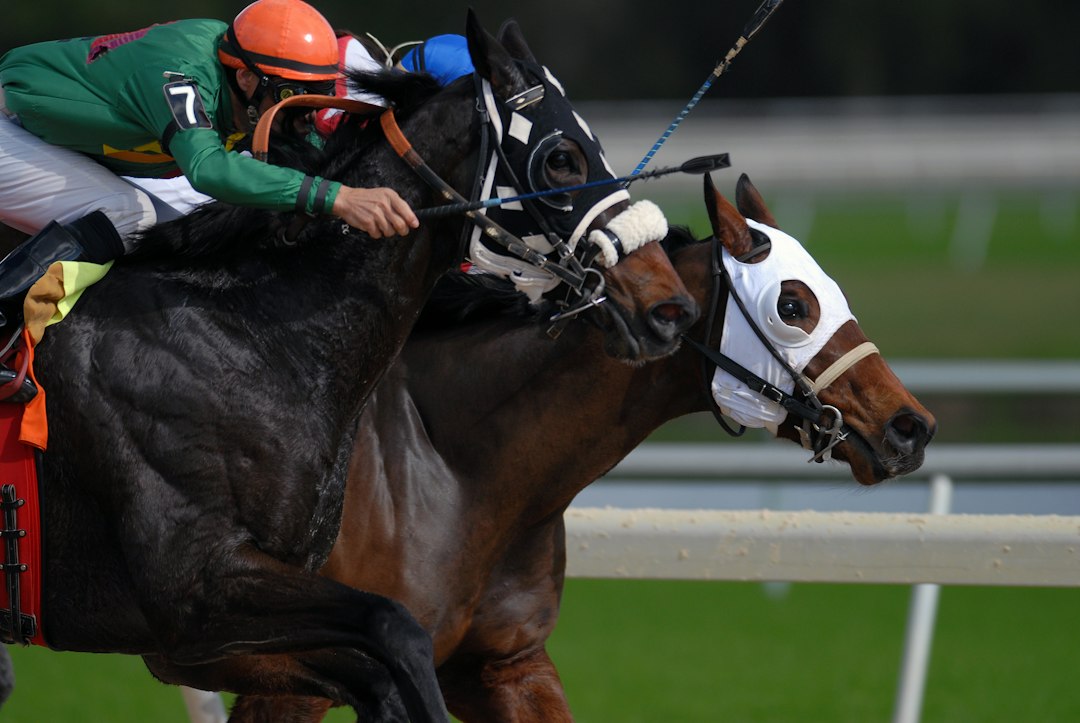
A dead heat occurs when two or more competitors finish so close together that they can’t be separated for the purposes of the race or market, and are declared joint winners (or joint place-finishers) at the same ranking. The term comes from horse racing, where meets once ran the same horses through multiple “heats” in a day; a heat with no clear single winner was discounted from the tally and was therefore “dead,” according to Wikipedia’s entry on dead heats. It’s genuinely rare in modern racing — high-speed photo-finish technology resolves most close finishes that would once have been called ties — but it still happens in golf each-way markets, athletics, and occasional prop bets in team sports when two outcomes finish perfectly level.
How Are Winnings Calculated After a Dead Heat?
Unlike a void bet, a dead heat is not cancelled — part of it genuinely won. The adjustment happens to the stake, not the odds: your original stake is divided by the number of tied participants, and that reduced stake is then settled at the full odds you originally took. According to Betfair’s own help centre, this is exactly how dead-heat reductions are applied on its exchange markets, and the same principle is standard across fixed-odds bookmakers too.
Worked Example: Two-Way Dead Heat on a Win Bet
This example is hypothetical, to illustrate the maths only. A bettor stakes $20 on Selection A to win outright at odds of 3/1. Selection A finishes level with Selection B, and the two are declared a dead heat for first place.
- Stake ($20) ÷ number of tied winners (2) = $10 effective stake
- $10 × odds of 3/1 = $30 winnings, plus the $10 stake back
- Total return: $40 (compared with $80 had the bet won outright)
Half the stake is treated as a loser, half as a winner settled at the original price — the bettor still profits, just not by as much as a clean win would have paid.
Worked Example: Three-Way Dead Heat on an Each-Way Bet
Again, purely illustrative figures. A bettor places a $30 each-way bet at odds of 10/1, each-way terms 1/4 the odds for the first four places. The each-way split means $15 goes on the win part and $15 on the place part. The selection finishes tied for 4th place with two others — a three-way dead heat for the last paid place.
- Place stake ($15) ÷ number tied (3) = $5 effective place stake
- $5 × place odds (10/1 ÷ 4 = 2.5/1) = $12.50 place winnings, plus the $5 stake back
- The win portion ($15) loses in full, since the selection didn’t win the race
- Total return: $17.50 from the place part, against an original $30 stake
This is also where void and dead-heat rules can interact in horse racing specifically: if a different runner in the same race is withdrawn before the off, a separate adjustment (commonly called a Rule 4 deduction) may also reduce winnings on the surviving part of the bet, on top of any dead-heat split. The two adjustments address different problems — a withdrawn runner changes the remaining field’s chances, while a dead heat splits a stake that genuinely tied — but both can apply to the same settled bet.
Can a Bet Be Both Voided and Affected by a Dead Heat?
Not on the same selection. If your own pick doesn’t take part, your bet on it is voided — full stop, stake back, no dead-heat maths involved. A dead heat only applies once your selection has actually competed and finished level with one or more others. The confusion usually comes from multi-bets, where one leg can be voided (and removed from the calculation) while a different leg in the same bet is separately affected by a dead heat — two distinct rules, each applied to its own leg, combined only in how the final payout is worked out.
Why This Matters Beyond a Single Bet
Neither rule is designed to disadvantage bettors — both exist because a market has to be settled one way or another, and “the event didn’t happen as planned” and “two outcomes tied” need different fixes. But they do mean the payout on your slip won’t always match a quick mental calculation done at odds × stake. Anyone tracking long-term results — for a staking plan, a bankroll log, or an expected value calculation — should treat void and dead-heat adjustments as a normal part of real-world settlement, not an error to query every time.
Dead heats are particularly worth understanding before placing an each-way bet, since the place part of the wager is exactly where ties for the last paid position are most likely to occur — large-field events with several each-way places on offer are the classic setting for a split payout like the one shown above.
Quick Summary
- Void bet: selection didn’t take part or the market couldn’t be fairly settled — stake returned, no profit or loss.
- Dead heat: selection tied with one or more others — stake divided by the number tied, then settled at the original odds.
- A void leg is simply removed from a multi-bet’s calculation; a dead heat splits the stake but keeps the bet live.
- Both can appear on the same multi-bet, each applied to its own leg, never to the same selection at the same time.
George Mahulet has covered African sports betting and iGaming markets for over six years, focusing on how licensing, mobile money integration, and bonus terms actually play out for bettors in Nigeria, Kenya, Tanzania, and South Africa. Before joining Best10Betting, he worked as a data analyst for a Lagos-based fintech tracking mobile payment adoption — experience that shapes his focus on the payment and licensing details other betting content tends to skip. He verifies every bookmaker’s regulatory status directly against the relevant national gaming board before publishing a review, and updates existing reviews whenever bonus terms or licensing status change rather than leaving them static after launch.